
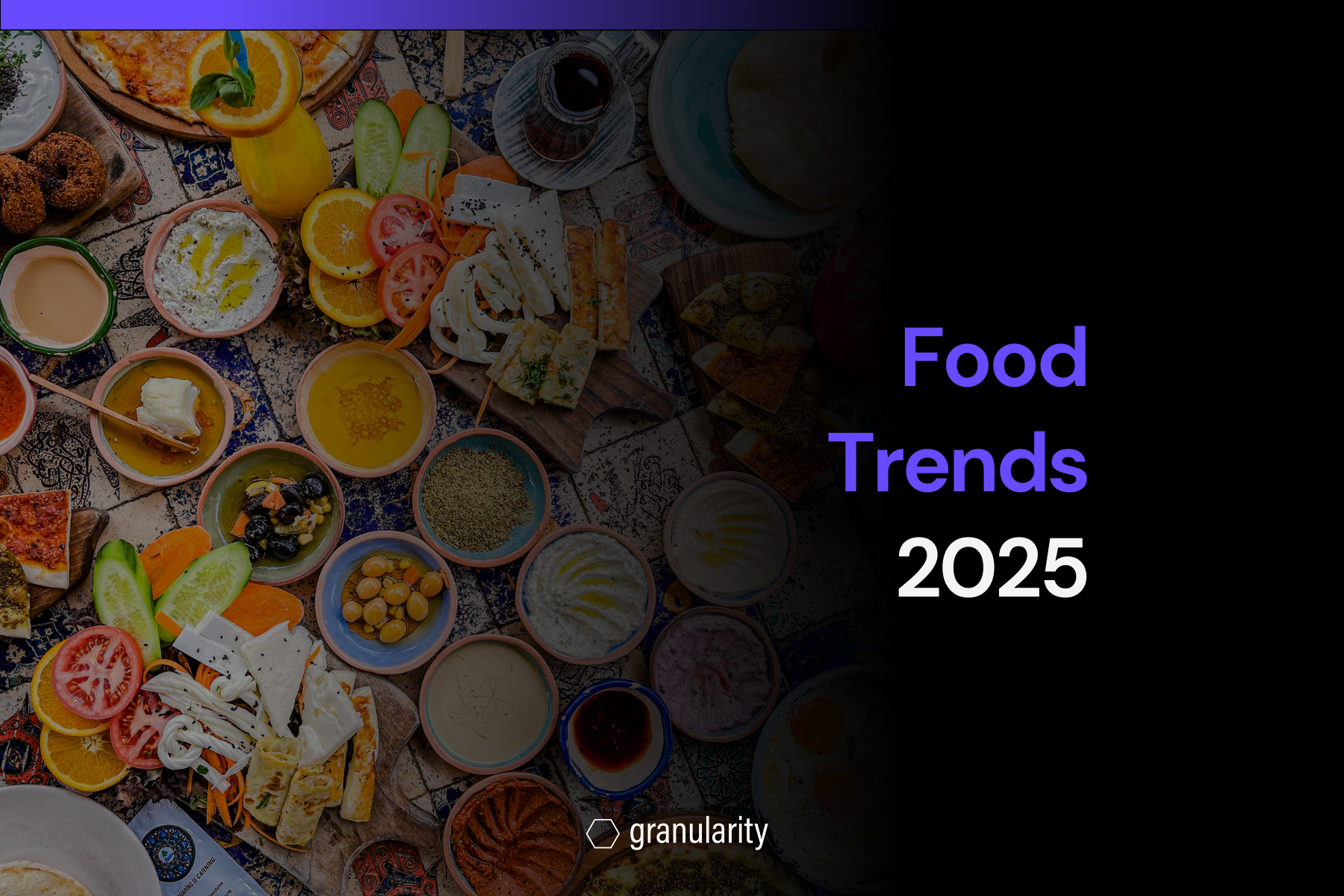
Food is more than sustenance—it is culture, tradition, and a reflection of a country’s priorities. In 2025, global interest in healthy, high-quality, and diverse cuisine is stronger than ever. From the most beloved international dishes to countries leading the way in food security, today’s food landscape highlights taste, safety, and innovation.
The World’s Most Popular Cuisines
According to the TasteAtlas Awards 2025, food lovers around the world have ranked these five cuisines as the most admired:
- Greece – Known for its fresh ingredients and Mediterranean diet, dishes like Greek salad and moussaka continue to delight palates worldwide.
- Italy – With its world-famous pasta, pizza, and artisanal cheeses, Italian cuisine remains a staple in both traditional and modern kitchens.
- Portugal – Portuguese cuisine stands out with its rich seafood dishes, baked pastries, and regional flavors.
- Turkey – Combining Middle Eastern spices with Balkan traditions, Turkish dishes offer a unique blend of savory and sweet tastes.
- Indonesia – Renowned for its bold spices and vibrant flavors, Indonesian cuisine is gaining recognition beyond Asia.
These cuisines have gained global attention not only for taste but also for diversity and nutritional balance. Travelers and home cooks alike are increasingly drawn to dishes that offer both flavor and health benefits.
Countries Leading in Food Quality and Safety
The Global Food Security Index (GFSI) 2025 ranks countries based on food availability, quality, and public health priorities. Here are the top ten countries that prioritize high standards in food:
- Finland – Score: 83.7 – A global leader in food safety and nutritional policies.
- Ireland – Score: 81.7 – Notable for stringent food quality regulations and sustainable practices.
- Norway – Score: 80.5 – Combines high food safety with widespread public health initiatives.
- France – Score: 80.2 – Balances culinary tradition with modern food security policies.
- Netherlands – Score: 80.1 – Known for innovative agricultural methods and quality control.
- Japan – Score: 79.5 – Focuses on freshness, hygiene, and long-standing culinary culture.
- Canada – Score: 79.1 – Ensures both safety and nutrition in public food systems.
- Sweden – Score: 79.1 – Combines sustainability with a strong regulatory framework.
- United Kingdom – Score: 78.8 – Continues to invest in food quality and consumer awareness.
- Portugal – Score: 78.7 – Emphasizes regional flavors while maintaining safety standards.
These countries demonstrate that culinary excellence goes hand-in-hand with strong food policies, reflecting a commitment to public health and sustainable practices.
Promoting Healthy Eating: School and National Policies
Many countries are taking proactive steps to improve nutrition, starting in schools. For example, California recently passed legislation limiting ultra-processed foods in public schools, emphasizing fresh, locally sourced meals. This initiative reflects a broader global trend toward healthier eating habits for children and communities.
Other nations are also taking significant steps:
- China – Launched a long-term plan to increase whole grain consumption, aiming to improve public health and food security.
- Denmark – Implemented nationwide strategies to boost whole grain consumption, which has improved health outcomes and reduced environmental impact.
Such programs showcase how countries can lead in both dietary quality and sustainability, setting examples for global food priorities.
Summary
| Country | GFSI Rank | Popular Cuisine |
|---|---|---|
| Finland | 1 | Greece |
| Ireland | 2 | Italy |
| Norway | 3 | Portugal |
| France | 4 | Turkey |
| Netherlands | 5 | Indonesia |
As food trends evolve, people worldwide are seeking dishes that satisfy both taste and health. Meanwhile, countries that prioritize food quality and safety continue to set the standard for public health and sustainability. From beloved international cuisines to national policies promoting nutrition, 2025 proves that food is not just what we eat—it’s how we live.