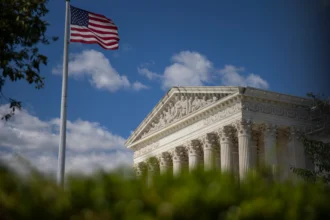
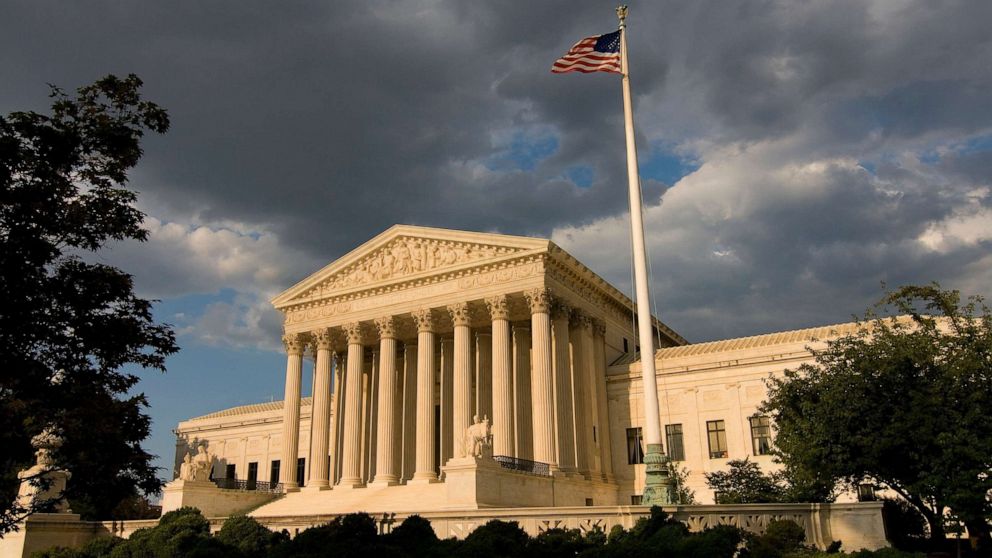
The Supreme Court of the United States (SCOTUS) continues to be at the center of major political debates in 2025. With several high-profile cases on its docket, the Court is shaping not only the interpretation of the Constitution but also the balance of power between the presidency, Congress, and independent agencies. In recent weeks, a series of petitions and rulings have sparked nationwide discussions about immigration, gender identity, economic policy, and presidential authority. Here is a closer look at the latest developments.
The Passport Gender Case
One of the most talked-about issues involves the administration’s request for the Supreme Court to reinstate a rule requiring passport applicants to list the gender assigned at birth. Under this proposal, people who identify as transgender or nonbinary would no longer have the option of selecting “X” or choosing an identity different from their birth certificate. Supporters argue that the rule restores clarity and consistency in federal documents. Critics, however, believe it strips away fundamental rights and undermines recognition of gender identity. The Court’s eventual decision will likely have wide-reaching implications for the LGBTQ+ community and the federal government’s handling of identity documentation.
The Federal Reserve Dispute
Another significant case concerns Lisa Cook, a governor of the Federal Reserve. President Trump has attempted to remove her, citing what he describes as “failure to perform duties.” A lower court blocked the removal, ruling that she has the right to defend herself before such drastic action is taken. Now, the issue is expected to reach the Supreme Court. The key question is whether the president has unlimited authority to dismiss officials of independent agencies, or whether safeguards should remain in place to ensure stability and independence in the financial system. A ruling in this case could set a precedent for future conflicts between presidents and agency leaders.
Immigration Enforcement in Los Angeles
In the case of Noem v. Perdomo, the Supreme Court issued a 6–3 decision allowing immigration authorities to conduct enforcement operations in Los Angeles without restrictions imposed by lower courts. The ruling lifts bans on targeting individuals based on language, neighborhood, or workplace, sparking concerns about racial profiling and civil liberties. For immigrant communities in California, the decision has raised fears of increased raids and uncertainty. Supporters argue that the decision gives federal agencies the tools they need to enforce immigration law more effectively.
The Federal Trade Commission Controversy
The Court is also considering a dispute over the removal of Rebecca Slaughter, a Democratic commissioner of the Federal Trade Commission. Chief Justice John Roberts temporarily allowed her dismissal while the case is under review. At stake is the broader question of whether the president can remove officials from independent commissions at will, or whether legal protections against arbitrary dismissal should remain. The outcome could reshape how independent regulators operate, especially in areas such as consumer protection and antitrust policy.
Tariffs and Economic Policy
Looking ahead, the Court has agreed to hear challenges to President Trump’s tariffs on November 5. These tariffs have major implications for international trade, business competitiveness, and consumer prices. The case will test the scope of executive power in trade policy and determine whether the administration has overstepped constitutional limits. Both supporters and opponents of tariffs are closely watching this case, as the ruling could impact the U.S. economy for years to come.
The Venezuelan Immigration Question
Another pending issue is the administration’s effort to end Temporary Protected Status (TPS) for more than 300,000 Venezuelan migrants living in the United States. Lower courts ruled that the administration acted with bias and failed to follow proper procedures. Now, the Supreme Court will likely have the final say. If TPS is removed, thousands of families could face deportation, while communities across the country would experience significant social and economic effects.
Final Thoughts
The Supreme Court has always been a key player in defining the limits of American democracy, and the current term is no exception. From personal freedoms such as gender identity to broader questions of presidential power, the Court’s decisions will influence not only the legal system but also the everyday lives of millions of people.
What stands out is that many of the current disputes revolve around the reach of executive authority. Whether the Court chooses to reinforce presidential power or place limits on it, the outcomes will define the political climate for years to come. Citizens, lawmakers, and institutions alike are awaiting these rulings with anticipation, knowing that each decision has the power to reshape the nation’s future.