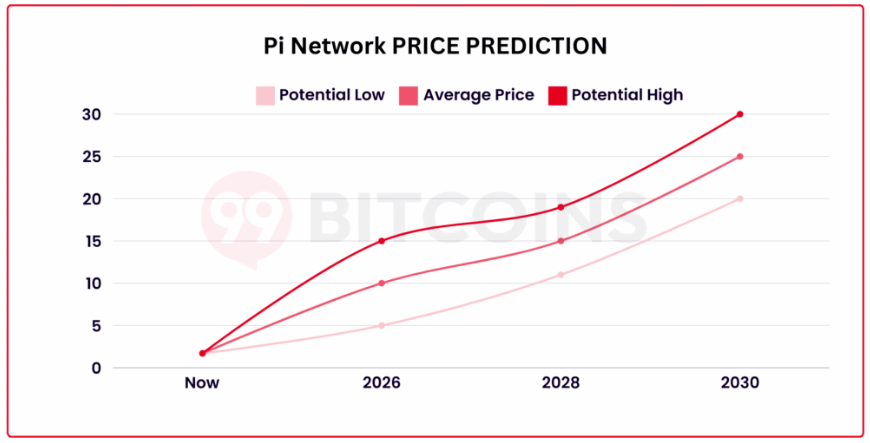
The Pi Network has once again captured the attention of the crypto community, but this time the focus is on its falling price and the recent system updates that may influence its future direction. On September 27, 2025, the project finds itself at a crossroads, balancing technical progress with market uncertainty.
Current Price Trends
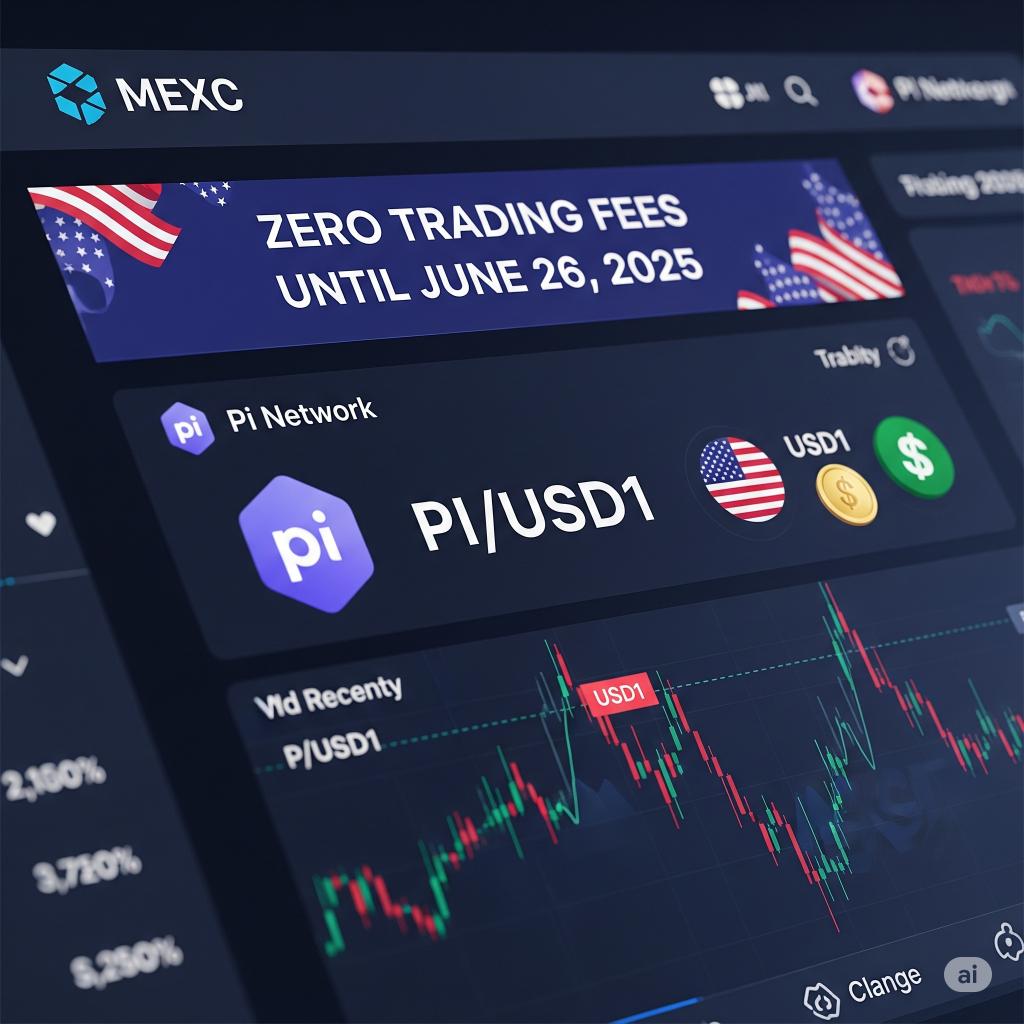
As of today, Pi is trading around $0.26 to $0.27, after hitting a new all-time low of approximately $0.2552 earlier in the week. This represents a decline of more than 20 percent over the past few days, highlighting the pressure facing the token. In the past seven days, Pi has fluctuated between $0.36 at its peak and $0.265 at its lowest, reflecting increased volatility and bearish sentiment in the market.
The downward trend has been fueled by several factors. A record number of Pi tokens are now deposited on exchanges, signaling that many holders may be preparing to sell. Additionally, recent token unlocks have added to the circulating supply. When more coins are available in the market but demand does not keep pace, the result is a natural drop in price.
System Updates and Network Developments
Despite the negative market reaction, the Pi Network development team has been active in rolling out improvements. On September 25, the project scheduled a system upgrade lasting two hours to improve infrastructure and performance. Such updates are crucial for long-term scalability and reliability, even if they do not immediately translate into higher prices.
Another significant update involves the introduction of limits on stablecoin use for payments and fiat exchanges. A monthly cap has been set, for example $250,000 or the equivalent of 0.8 Pi, to discourage speculative activity and promote more authentic use of Pi in real transactions. While this move is designed to strengthen the ecosystem, some critics argue it could limit liquidity in the short term.
The team has also advanced its technical framework, upgrading to protocol v23 on testnet. This upgrade is expected to enhance the security and functionality of the network, setting the stage for future mainnet improvements. At the same time, the KYC process has been simplified, removing older restrictions and speeding up verification for many users. These steps allow more participants to migrate their balances into the mainnet environment.
Partnerships and Community Discussions
One of the more positive developments is a new partnership with Sign Protocol, a project backed by Binance. Collaborations like this can bring credibility and potential integration opportunities to Pi Network. If such partnerships lead to broader adoption, they could help offset the negative market sentiment.
However, the community is also facing internal debates. Analysts have urged the team to resolve ongoing discussions around the so-called “GCV” topic, which some believe is distracting from the project’s growth. In times of market weakness, uncertainty and division within the community can further weaken investor confidence.
Market Outlook
From a technical standpoint, Pi’s Relative Strength Index (RSI) shows that the coin is in oversold territory. This indicates that the price decline may have gone too far, too fast, and could set the stage for a short-term recovery if demand improves. Still, upcoming token unlocks, including a significant release scheduled for October 1, present an ongoing risk of downward pressure.
The long-term outlook for Pi depends on whether the project can deliver real-world use cases, grow its ecosystem, and secure listings on major exchanges. Without these catalysts, the token may continue to struggle at low levels despite ongoing system improvements.
Conclusion
The events of late September 2025 highlight the dual nature of Pi Network’s journey. On one hand, the development team is rolling out system upgrades, improving KYC processes, limiting speculative activity, and forming partnerships. On the other hand, the token’s price has dropped to record lows, weighed down by token unlocks, exchange deposits, and cautious investor sentiment.
For now, Pi stands at an important turning point. If upcoming updates and partnerships lead to real adoption and stronger demand, the network may recover from its current challenges. But until then, both the community and the wider market will continue to watch closely as the project navigates its most testing phase yet.