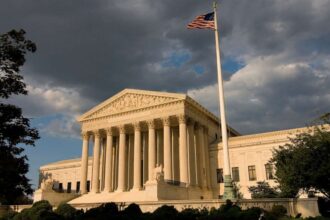
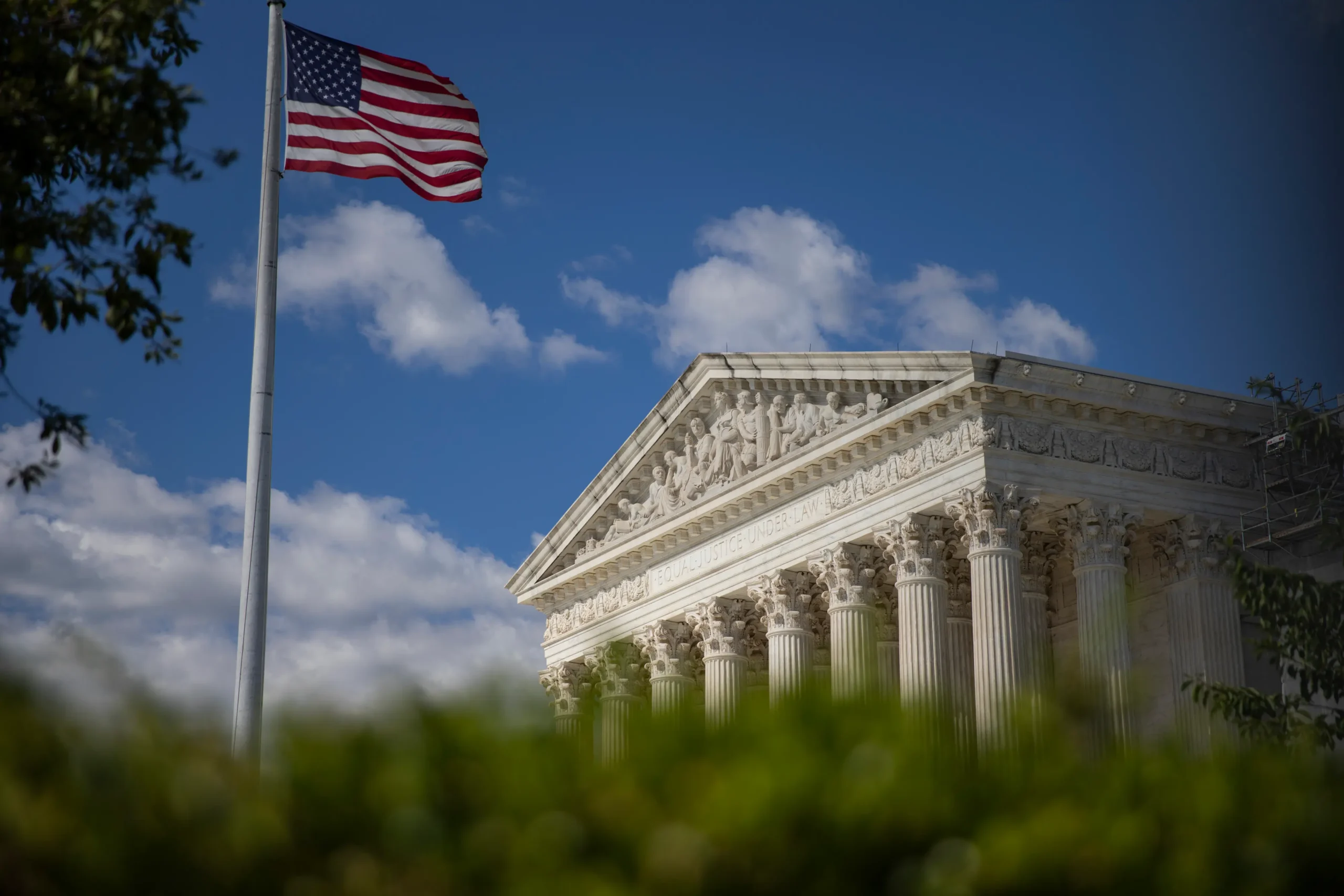
The Supreme Court of the United States continues to play a central role in shaping the nation’s political and legal landscape. Recent rulings, pending cases, and public statements highlight the Court’s influence over executive power, federal institutions, civil rights, and the future of democracy itself. Here is an overview of the most important developments as of October 3, 2025.
The Expanding Use of the Emergency Docket
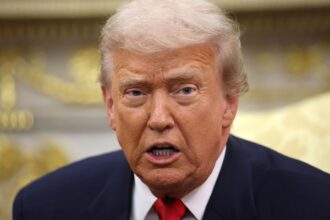
One of the most striking trends is the Court’s increasing reliance on its emergency docket, often called the “shadow docket.” This process allows the justices to issue fast decisions without full arguments or lengthy written opinions. In recent months, several emergency rulings have favored the policies of President Donald Trump, giving the administration the ability to act swiftly on key initiatives. Critics argue that this practice reduces transparency and accountability while granting the president unprecedented power. Supporters, however, claim it allows the Court to respond quickly to urgent matters in a fast-changing political environment.
Foreign Aid Freeze
Among the most consequential emergency rulings was the Court’s decision to allow the Trump administration to freeze more than four billion dollars in foreign aid. Lower courts had blocked the freeze, but the Supreme Court lifted the injunction, enabling the president to move forward. This decision underscores the Court’s willingness to permit broad executive authority in foreign policy, even in the face of strong legal challenges. The ruling also has global implications, as many developing countries rely on U.S. aid for stability and development.
The Federal Reserve Showdown
Another highly watched case involves President Trump’s attempt to remove Federal Reserve Governor Lisa Cook. Traditionally, Federal Reserve governors are protected from arbitrary dismissal by a “for cause” requirement written into the Federal Reserve Act. The president’s move to dismiss Cook has been challenged in court, and the Supreme Court has scheduled oral arguments for January 2026. For now, Cook remains in her position. The eventual ruling could redefine the independence of the Federal Reserve and set a precedent for how much influence the executive branch can exert over independent agencies. The outcome of this case will be closely monitored by economists, lawmakers, and global markets.
Conversion Therapy and Free Speech
The Court is also preparing to hear Chiles v. Salazar, a case that could have a major impact on LGBTQ+ rights and the regulation of professional conduct. At issue is whether Colorado’s ban on conversion therapy for minors violates the First Amendment by restricting a therapist’s speech. If the Court sides with the challengers, similar bans in many other states could be struck down. This case raises difficult questions about the balance between free expression and the government’s responsibility to protect public health and vulnerable communities.
Warnings from a Former Justice
Adding to the national debate, retired Justice Anthony Kennedy has spoken publicly about the fragility of democracy in the United States. He warned that democracy is not guaranteed to survive and expressed concern about the Court’s increasing willingness to overturn precedent. Kennedy’s comments highlight growing fears that judicial activism and partisanship could weaken the credibility of the Supreme Court and destabilize the balance of power between the branches of government.
Court Operations During the Shutdown
Meanwhile, the ongoing federal budget standoff has forced many government agencies to reduce services, but the judiciary has announced it can remain fully operational through October 17, 2025. The courts are relying on existing funds and fees to continue their work. If the shutdown extends beyond that date, the judiciary may be forced to scale back operations to only constitutionally mandated functions. This situation highlights the vulnerability of the legal system to broader political conflicts in Washington.
Conclusion
The developments surrounding the Supreme Court this fall reflect deep questions about executive authority, individual rights, and the resilience of American democracy. From emergency rulings that empower the president, to upcoming cases that may reshape economic and social policy, the Court is at the center of the nation’s most pressing debates. Whether it is the freeze on foreign aid, the challenge to the independence of the Federal Reserve, or the controversial issue of conversion therapy, the decisions made in the coming months will influence U.S. law and politics for years to come. At the same time, the concerns expressed by former Justice Kennedy serve as a reminder that the Court’s role must balance power, preserve precedent, and safeguard democracy in an era of uncertainty.