A Defining Moment for US Politics
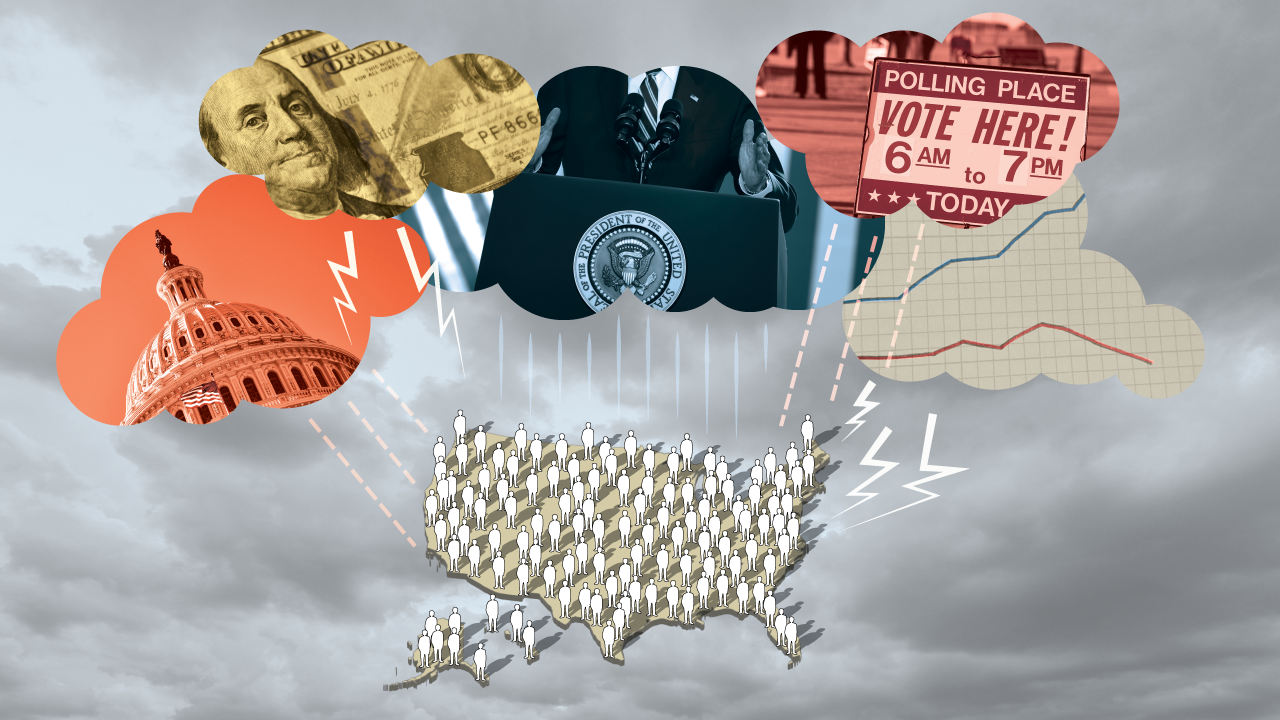
The political environment in the United States is entering a crucial phase. Economic pressure, global instability, and strong public opinion are shaping how leaders act. As the country moves closer to key electoral milestones, decisions made today will have long-term effects on governance, markets, and global influence.
Trump’s Renewed Political Focus
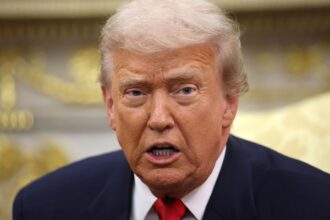
President Donald Trump has again become the main figure in national politics. In recent statements, he has focused heavily on cost-of-living concerns. Inflation, housing prices, and energy costs remain central themes in his messaging. His strategy targets working and middle-class voters who continue to feel economic pressure despite official growth indicators.
Economic Anxiety Among Voters
While some economic data shows improvement, many Americans do not feel financial relief. Interest rates remain high, making mortgages, loans, and business credit more expensive. Small business owners and first-time home buyers are among the most affected. This gap between data and daily reality continues to fuel political frustration.
The Role of the Federal Reserve
The Federal Reserve is under intense public attention. Any upcoming interest rate change could shift economic momentum quickly. A potential rate cut could support growth, but inflation risks remain. Political leaders regularly comment on Fed decisions, even though the institution operates independently. This tension adds uncertainty for markets and voters alike.
Justice Department Under Scrutiny
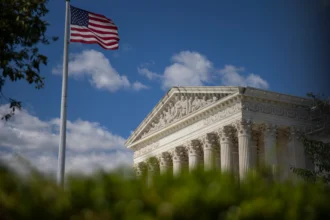
Recent developments within the Department of Justice have sparked national debate. Over 200 former DOJ officials signed a public letter criticizing changes in the Civil Rights Division. They argue that key investigations related to voting rights and discrimination were reduced or delayed. Supporters of the current leadership claim reforms are needed to restore neutrality.
Civil Rights and Public Trust
Civil rights enforcement remains a sensitive issue across the country. Any perception of weakened oversight risks lowering public confidence in legal institutions. For many Americans, equal treatment under the law is not a political position but a core expectation. This debate is likely to influence both policy direction and voter motivation.
Shifting Foreign Policy Strategy
On the global stage, US foreign policy is also changing. A new national security approach signals a more selective involvement in international conflicts. While officials say this protects national interests, European allies have expressed concern. Countries like Germany and France are now discussing stronger independent defense capabilities.
Impact on Global Alliances
Reduced US engagement could reshape long-standing alliances. International partners depend on consistent leadership, especially during times of conflict. Any shift in US commitment affects global stability, trade relationships, and diplomatic trust. These developments are closely watched by investors and foreign governments.
Immigration Remains Divisive
Immigration policy continues to divide lawmakers. Border security, asylum procedures, and deportation rules remain unresolved. Some leaders demand stricter enforcement, while others focus on humanitarian obligations. With border crossings remaining high, immigration will stay a major political topic throughout the year.
Growing Public Frustration
Public opinion surveys show rising voter dissatisfaction. Many Americans feel disconnected from political institutions. Inflation, healthcare costs, and government transparency rank as top concerns. Voters increasingly expect practical solutions rather than ideological conflict, putting pressure on all political leaders.
Implications for Business Leaders
For CEOs and business strategists, political uncertainty creates operational risk. Policy changes can affect taxes, labor markets, trade rules, and investment planning. Companies are watching Washington closely to prepare for shifts that could impact long-term growth and stability.
Looking Ahead
The months ahead will be decisive for the United States. Economic policy, legal reforms, and foreign relations will shape both political outcomes and market confidence. Whether leaders choose cooperation over confrontation will define the next chapter of American politics and its global role.