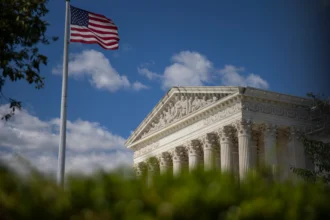
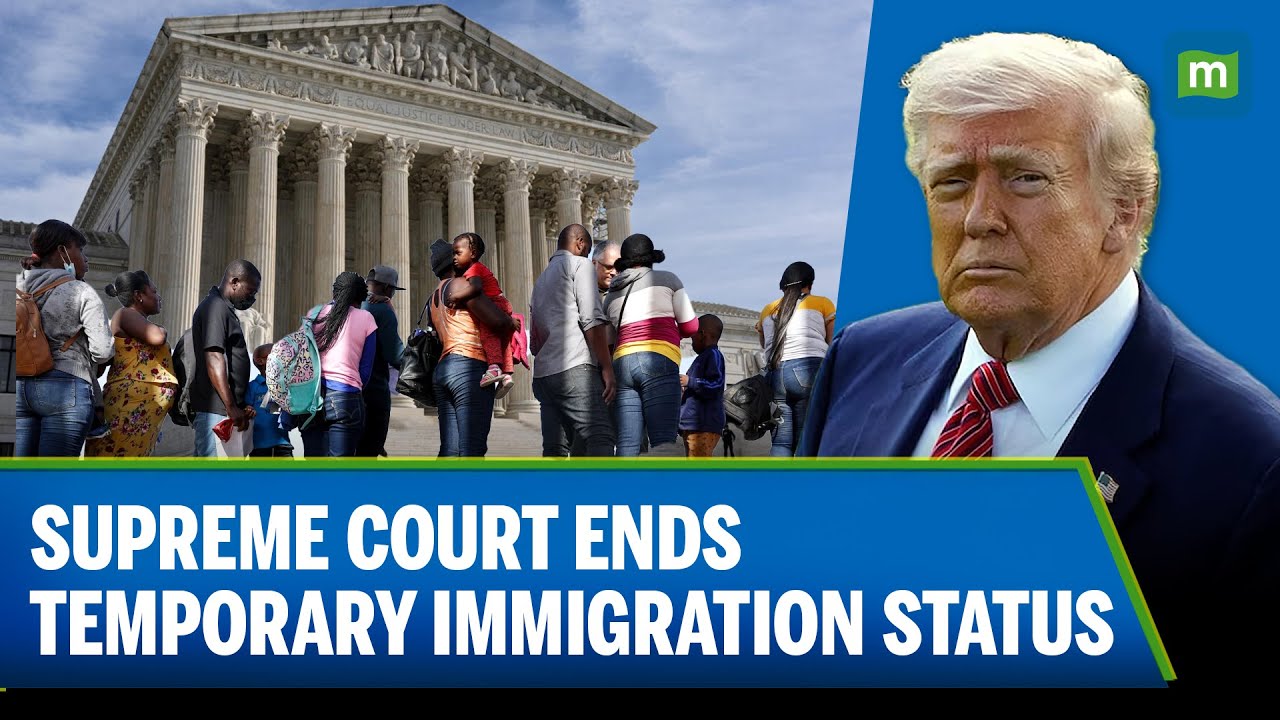
The United States Supreme Court continues to play a decisive role in shaping the political and legal landscape. Recent rulings and emergency orders have sparked nationwide debate, touching on immigration enforcement, foreign aid disputes, and the balance of power between Congress and the presidency. These cases are not only legal milestones but also moments that could define the relationship between the government and its people for years to come.
Immigration Enforcement in Los Angeles
One of the most discussed developments came in the case Noem v. Perdomo, where the Court lifted a lower court order that restricted U.S. Immigration and Customs Enforcement (ICE) from conducting so-called “roving patrols” in Los Angeles. These patrols allow ICE agents to stop individuals based on a mix of factors, including race, language, workplace, or location.
Supporters argue this gives ICE more flexibility to address immigration violations and enhances public safety. However, critics warn it opens the door to racial profiling and undermines constitutional protections against unreasonable searches. Justice Brett Kavanaugh defended the decision, stating that such factors can be considered if used alongside other evidence. Justice Sonia Sotomayor dissented strongly, warning that the ruling erodes civil liberties and disproportionately impacts immigrant communities.
This case highlights the tension between national security enforcement and the protection of individual rights—a theme that is likely to remain at the center of immigration debates.
Dispute Over Foreign Aid Funding
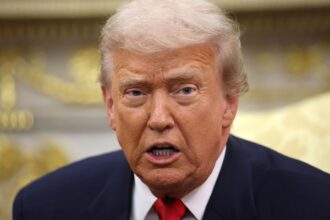
Another headline-making case involves billions of dollars in foreign aid. The Trump administration withheld funds that had already been approved by Congress, a move critics described as an overreach of executive power. A lower court ordered the administration to release about $4–5 billion of an $11 billion aid package.
The Supreme Court, however, temporarily paused that order, giving the administration breathing room to argue that withholding the funds aligns with its foreign policy goals. This decision raises questions about the separation of powers, as Congress traditionally holds the authority to allocate federal spending.
Observers say the Court’s eventual ruling could set a major precedent for how much control presidents have over the use—or non-use—of funds once Congress has approved them. For lawmakers and international partners, the stakes are high, as the outcome may influence U.S. credibility on the global stage.
The Case of Federal Reserve Governor Lisa Cook
In a separate but equally important legal battle, President Trump’s attempt to remove Federal Reserve Governor Lisa D. Cook was blocked by a district court. The judge ruled that the removal likely violated protections built into the Federal Reserve Act, which prevents governors from being dismissed without cause.
While this ruling is not yet at the Supreme Court, many legal experts believe it could soon arrive there. If it does, the case would test the limits of presidential authority over independent institutions such as the Federal Reserve. A ruling in favor of Cook would reinforce the independence of the central bank, while a ruling in favor of the president could reshape the boundaries of executive influence over monetary policy.
Why These Cases Matter
Taken together, these cases underline a growing theme: the balance of power in American democracy is being re-examined. The Supreme Court’s decisions reflect broader debates about immigration, foreign policy, economic stability, and civil liberties.
For the public, these rulings are not just abstract legal battles. They affect how communities are policed, how taxpayer dollars are spent, and how independent agencies operate. Each decision resonates beyond the courtroom, influencing everyday lives and shaping trust in American institutions.
Looking Ahead
As the Supreme Court continues to handle high-profile disputes, the nation is watching closely. The upcoming term is expected to bring even more pivotal cases that test the boundaries of executive power and the Constitution itself.
For now, the latest rulings remind us that the Court is not only an interpreter of laws but also a guardian of balance between branches of government. In a time of political division, its decisions carry weight far beyond Washington, touching communities, households, and international relationships alike.