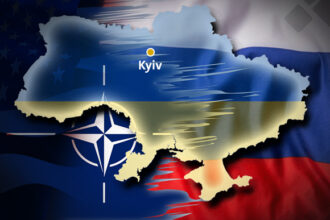
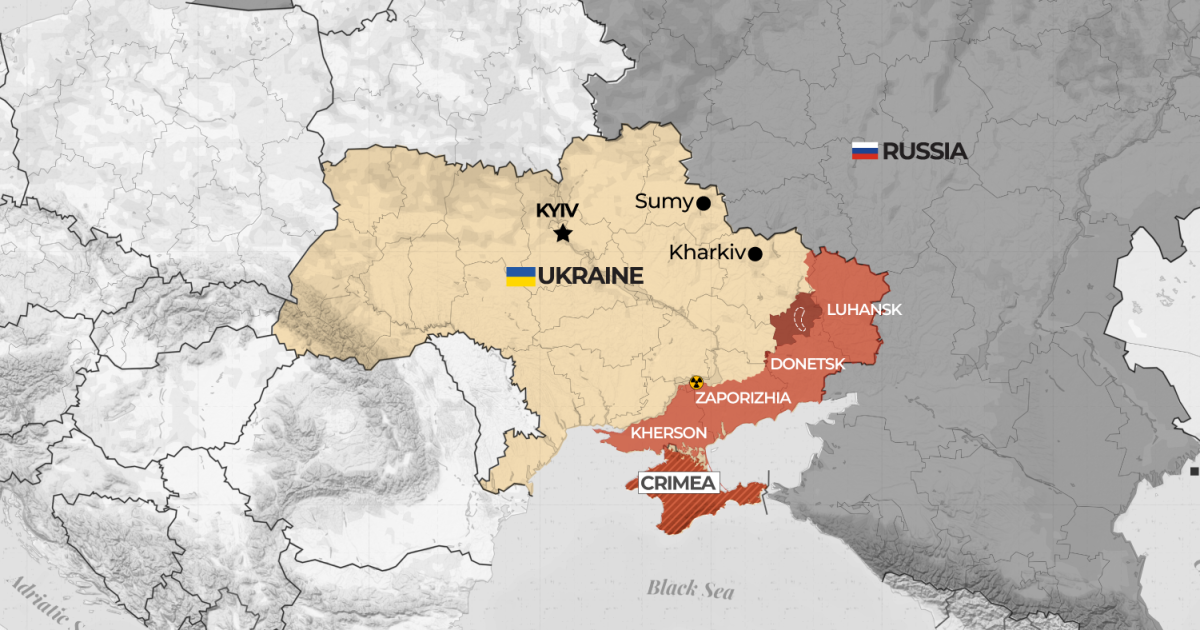
The war between Ukraine and Russia continues to reshape global politics, security, and energy markets. As of early October 2025, the conflict has entered another complex stage, with rising tensions over advanced weapons, nuclear safety risks, humanitarian exchanges, and growing European unity against Russian aggression. Below is a complete overview of the latest developments and their wider implications.
Putin Warns of Escalation Over Tomahawk Missiles
Russian President Vladimir Putin has warned that the possible delivery of U.S. Tomahawk cruise missiles to Ukraine would mark a “new level of escalation” in the war. While he admitted such weapons would not fundamentally change the battlefield, he emphasized that their deployment would significantly damage U.S.-Russia relations. American officials remain cautious, weighing the strategic risks of sending long-range missiles against the potential military benefits for Ukraine. At the same time, Washington is strengthening intelligence cooperation with Kyiv, particularly in monitoring Russian energy infrastructure, which has become a critical target of Ukrainian strikes.
Nuclear Plant Safety Concerns
Ukraine has issued renewed warnings about the safety of nuclear facilities under threat from Russian drone attacks. Both the Chernobyl site and the Zaporizhzhia nuclear power plant are vulnerable due to repeated power outages that compromise cooling systems and monitoring equipment. At Zaporizhzhia, the plant has remained off-grid for more than a week, relying on backup generators. Experts warn that if electricity is not restored, the risk of a nuclear incident will rise sharply. These warnings highlight the broader danger of the war spilling into environmental and humanitarian catastrophe.
Humanitarian Exchange of Prisoners
Despite the continued fighting, there have been signs of humanitarian progress. Ukraine recently secured the release of 185 soldiers and 20 civilians in a prisoner swap with Russia. Many of those freed had been in captivity since the early stages of the war in 2022. In total, more than 7,000 people have now been repatriated through exchanges. These swaps serve not only as a humanitarian relief but also as a morale boost for Ukraine’s armed forces and families waiting at home.
Russian Fuel Shortages and Economic Strains
Ukraine’s drone campaign has heavily disrupted Russia’s fuel refining capacity. Nearly 40 percent of refining plants are now offline, forcing Moscow to impose fuel-export bans and seek imports to meet domestic demand. The shortages have been particularly severe in Crimea and other frontline regions. Analysts believe this disruption could weaken Russia’s ability to maintain military operations in the long term, as logistics and mobility are highly dependent on fuel supplies.
Europe Responds to Hybrid Warfare
European leaders have toughened their response to Russia’s ongoing hybrid warfare tactics, which include cyberattacks, drone incursions, and sabotage against critical infrastructure. At a meeting in Copenhagen, officials discussed new measures such as creating a “drone wall” to secure European borders and increasing sanctions targeting Russia’s energy exports. Special attention is being placed on the so-called “shadow fleet” of oil tankers that Russia uses to bypass international sanctions. Closing these loopholes is now a top priority for European policymakers.
Ukraine Shares Drone Expertise with Europe
Recognizing the growing importance of drone warfare, Ukraine has begun sharing its expertise with European partners. A mission to Denmark is already under way, with Ukrainian specialists providing knowledge on detection, defense, and counter-strike tactics. Several other European countries are expected to follow, seeking to strengthen their own defense systems against potential Russian incursions. This cooperation not only boosts European security but also reinforces Ukraine’s role as a strategic partner in defending the continent.
Conclusion
The latest developments in the Ukraine–Russia war highlight both the dangers and the shifting dynamics of the conflict. From the threat of Tomahawk missiles escalating tensions, to nuclear safety concerns, to the humanitarian relief of prisoner swaps, the war continues to affect multiple dimensions of global security. Russia’s fuel shortages and Europe’s growing unity against hybrid warfare reveal cracks in Moscow’s strategy, while Ukraine’s sharing of drone expertise underscores its central role in modern warfare.
As the conflict evolves, the world is watching closely. The outcome will not only decide Ukraine’s future but also shape the balance of power in Europe and beyond for years to come.